


Introduction
When homeowners ask me, “What can I do that’s affordable and adds real value to my home before selling?” — one of my top answers is woodworking. DIY wood projects don’t just look beautiful — with good design and execution, they can yield returns whether you’re staging, living, or preparing to sell.
Here are 5 woodworking projects that are realistic for many homeowners, especially in the Greater Toronto Area, and that have the potential to increase appeal, functionality, and resale value.

1. Built-In Shelving / Custom Bookcases
Why it adds value:
- Built-in cabinets or bookcases (especially around fireplaces or feature walls) turn “dead space” into storage, making rooms feel more finished and intentional.
- Buyers love built-ins because they reduce the need for bulky furniture and show a high level of craftsmanship.
Tips & variations:
- Use high-quality plywood or hardwood for visible faces.
- Paint or stain to match your trim or wood tones in the home.
- Add hidden compartments or adjustable shelves for flexibility.
- For smaller spaces (e.g. condo living), consider floating wood shelves or built-in storage benches.
2. Window Seats with Storage
Why it adds value:
Window seats are charming. When paired with storage beneath, they become functional and attractive features. They make cozy nooks and make buyers envision living in the space.
Design ideas:
- Cushion on top + hinged lid or drawer fronts.
- Incorporate bookcase wings or side shelves.
- Use durable wood and finishes that resist wear in high-traffic zones (especially in family rooms or kid spaces).
3. Accent Wood Wall or Wainscoting Paneling
Why it adds value:
Accent walls—wood slats, shiplap, board & batten—can dramatically elevate the perceived quality of a room without a full remodel. They signal design sophistication, and in photos or tours, they catch attention.
How to do it right:
- Keep the design balanced (don’t overdo an entire space; accent one wall or section).
- Use a consistent pattern or spacing for a professional finish.
- Use engineered wood or MDF for cost-effectiveness, or a higher-end wood if your budget allows.
- Paint or stain the accent to complement the room’s overall palette.
4. Outdoor Deck Extensions, Pergolas & Garden Structures
Why it adds value:
According to recent industry data, wood deck additions are among the home improvement projects that offer high ROI.
Outdoor features expand living space — especially in Toronto’s spring–fall months — and give buyers usable entertainment areas.
Project ideas:
- Extend an existing deck with a built-in pergola or shade cover.
- Build a decked planter box or raised wood garden beds.
- Add wood railings, stairs, or steps that tie into the yard.
- Use rot-resistant wood (cedar, treated pine) or composite wood for durability.
5. Custom Furniture & Focal Pieces
Why it adds value:
Custom furniture made to fit a space is a design differentiator. Whether it’s a console wall unit, bench, dining table, or media unit — bespoke pieces maximize functionality and cohesiveness.
Tips for selecting projects:
- Focus on pieces that “anchor” rooms: dining table, console, credenza, media wall.
- Think built-to-fit (e.g. in awkward wall niches).
- Use joinery techniques (dovetail, mortise/tenon) to showcase quality.
- Finish well — sanding, staining/painting, sealing — aesthetics matter.
Bonus Benefits of Woodworking for Your Home
- Emotional appeal: DIY projects personalize homes and show care.
- Photo & marketing advantage: These features make your listing stand out in photos and tours.
- Cost control: You decide material quality and finish — no contractor markups.
- Longevity: Well-done woodwork lasts (unlike cheap furniture that gets replaced).
How to Choose Which Project First
- Start with your biggest “blank canvas” or problem area.
If a room feels sparse, built-ins or accent walls may fix that. - Keep resale in mind.
Don’t overcommit on extremely personalized styles. Stick to neutral tones and classic patterns. - Budget & time vs. impact.
A smaller built-in may provide more value than an overambitious furniture piece that never gets finished. - Permit or HOA constraints (for outdoor builds).
Always check local regulations in Toronto/your municipality before starting large outdoor woodworking.
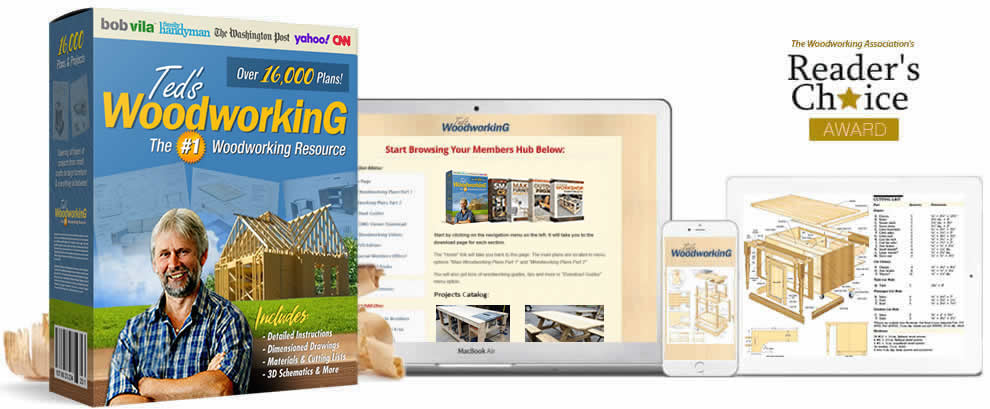
Watch the Video & Access Plans
This short explainer video walks you through how Ted’s Woodworking works, shows real project examples, and gives step-by-step guidance so you can confidently start your own project.
Final Thoughts
DIY woodworking is more than a hobby — it’s a strategic tool for homeowners and sellers alike. When you design with aesthetics, functionality, and resale in mind, even modest projects can yield outsized value.
If you’re ready to pick your first project, watch the video above, learn how the system works, and take advantage of the plans and guidance Ted’s provides. You’ll gain confidence, inspiration, and a real edge — whether you plan to live in the home or list it soon.
Let me know if you’d like help customizing one of these projects for a Toronto home, or adapting it to specific budgets or spaces. Contact Us Here